
Card Surcharges Are Ending – What Businesses Need to Know
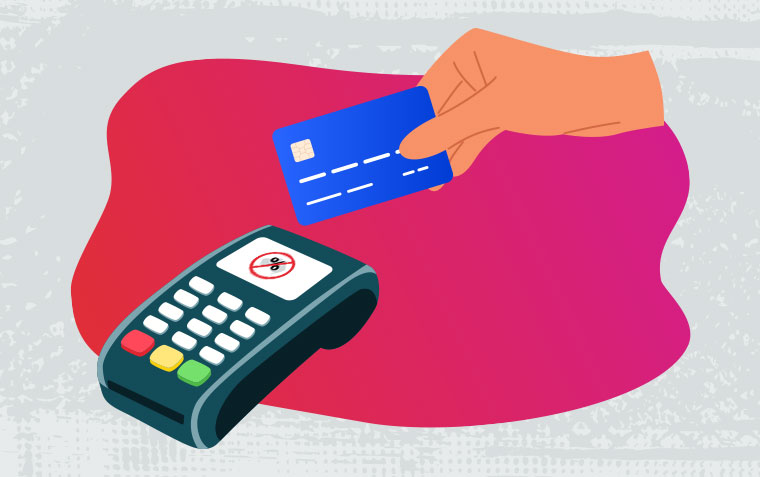
Businesses will no longer be allowed to add a surcharge for payments made by card after 1 October 2026. While this is welcome news for consumers, it puts real pressure on businesses, which will still be charged by their payment providers for card transactions.
Surcharges have been a common way for businesses to offset the costs they incur when processing card payments. No longer being able to pass these costs on to customers through a card surcharge means businesses will need to review pricing, adjust how they accept payments, and display prices.
This change applies to debit, prepaid, and credit cards across Visa, Mastercard, eftpos, and American Express.
What is Changing on 1 October?
The Reserve Bank of Australia (RBA) has announced changes that will allow card networks to introduce rules preventing businesses from applying surcharges to card payments. Visa, Mastercard, and eftpos have all announced that they will introduce these "no-surcharge" rules from 1 October 2026. American Express is not currently subject to formal regulation by the RBA in the same way, but has also decided to remove surcharging from this date.
This differs from the current system, which allows businesses to add a surcharge provided it does not exceed the cost of accepting that particular payment type.
The change only applies to surcharges added because a customer is paying by card. It does not affect weekend or public holiday surcharges, booking fees, or service fees.
Does This Affect Online Payments?
If you have an eCommerce website, or otherwise accept payments online (such as for membership management software or a booking system), you probably have card payments set up through a payment gateway and will be affected by these new rules. Make sure that neither your payment gateway nor your website will automatically add a surcharge at checkout.
We also recommend reviewing your online checkout process to confirm whether you need to adjust any wording or functionality.
What Does This Mean for Your Business?
There are several steps you will need to take to prepare your business for this change.
Review Your Pricing
The card fees you incur should now be treated as an expected business expense, like energy and labour costs, and incorporated into the final price that consumers pay.
Now is an excellent time to look at your overall pricing structure and determine whether all your costs are appropriately covered at your current prices, or whether your prices need to be adjusted.
Update Your Website
Remove any references to card surcharges from your website.
The most likely places to find them are:
- Checkout pages
- Payment information pages
- Terms and conditions
- FAQs
- Pricing pages
- Online booking forms
If your website has different versions for desktop and mobile devices, you’ll need to check both. We build fully responsive websites, so changes only need to be made to the one website.
Update Your Payment Systems
Review your POS system and online payment gateway to check whether you need to disable or update any surcharge settings. Some providers will automatically apply the change, while others may require you to make changes on your end.
Speak to your payment service provider to find out how the changes will be implemented and what, if anything, you need to do to update your payment systems.
Update Your Signs and Customer Information
Check any pricing information that your customers see, including signs at physical premises, printed or digital price sheets, menus, invoices, and any other customer-facing materials.
This should be a straightforward change for digital files and invoice templates, but printed materials will require more work, as you may need to have them reprinted.
If you need to reprint anything, we recommend scheduling this sooner rather than later so it is ready for the changeover on 1 October.
*****
Businesses should use the final weeks of September to ensure that they are properly prepared for the changeover on 1 October 2026.
Make updates to your pricing structure as needed, check your customer-facing information – both digital and physical – and discuss the change with your payment provider to find out if there is anything you need to do to update your payment systems.
Contact us today if you would like help ensuring that your website and payment gateway are properly updated for the card surcharge ban.
Related News & Information
A Guide to Address Autocomplete for Your Website
Address Autocomplete is beneficial for both businesses and users by keeping the data consistent, forms faster to fill out, and minimising issues with delivery.

A Guide to Catalogue Websites Without Selling Online
A catalogue website showcases your products without online sales. Discover how it lowers costs, improves UX, boosts SEO, and supports flexible business growth.

A Guide to Website Expenses Part 2: Ongoing Costs
Launching a website is just the beginning – maintaining a website requires ongoing investment in both time and money to keep it running effectively. Understand where these ongoing costs come from, and what they cover.