
How Unused Website Template Pages Can Negatively Impact Your SEO
When developing a new business website, most people focus on the design, content and functionality. However, what happens to the pages that aren't used?
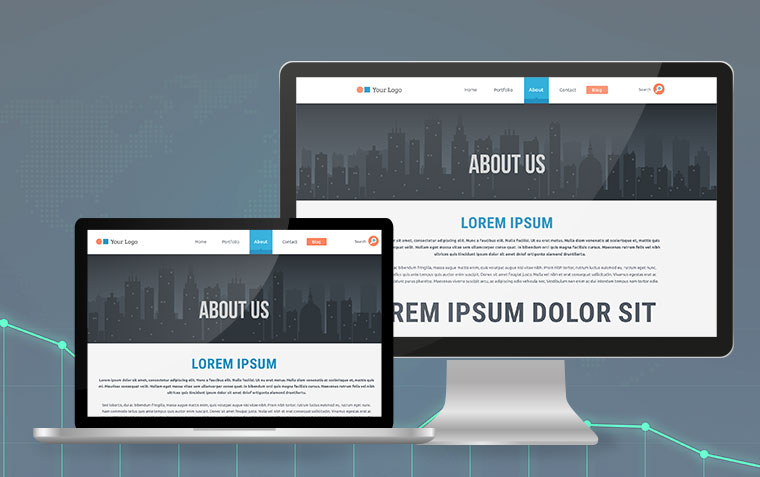
Many off-the-shelf website templates come with pre-built pages, demonstration layouts and placeholder content. While these can be useful during development, they're not always removed before the website goes live.
These leftover pages may not be visible in your website's navigation, but they can still exist in the background, potentially affecting your website structure, XML sitemap and Search Engine Optimisation (SEO).
This is one area where a custom CMS website offers a distinct advantage, allowing your website to be developed with only the pages and functionality your business actually needs.
How Unused Template Pages Can Impact Your SEO
Pre-built website templates often include sample home pages, service layouts, blog posts, galleries and other demonstration content.
If these pages aren't properly removed they can create several SEO issues.
1. Unnecessary Pages in Your XML Sitemap
An XML sitemap helps search engines discover important pages on your website.
Some content management systems automatically include published pages in the sitemap, which means unused template pages may be submitted to Google alongside your genuine business content.
This can make your sitemap less effective at identifying the pages you actually want search engines to discover and index.
2. Inefficient Search Engine Crawling
Search engines use automated crawlers to discover and analyse website content.
When unnecessary pages remain accessible, Google may spend time crawling URLs that provide little or no value.
A clean website structure helps search engines discover and focus on your important pages.
3. Duplicate and Low-Quality Content
Unused template pages often contain generic headings, sample text or repeated content.
If these pages are indexed, they may introduce duplicate or low-quality content into your website's search presence.
Although duplicate content doesn't automatically result in a Google penalty, it can create indexing complications and make it harder for search engines to identify your preferred pages.
4. Poor Website Structure and User Experience
A well-organised website should have a logical structure that connects relevant pages and makes information easy to find.
Unnecessary pages can complicate website architecture and sitemap management.
If unfinished template pages appear in Google search results, they can also create an unprofessional impression and confuse potential customers.
The Benefits of a Custom CMS Website
One of the key advantages of a custom CMS website is that it can be developed from the ground up around your business requirements, rather than starting with a generic template containing unnecessary pages and features.
This provides several important benefits:
-
Cleaner website structure – Only the pages and sections your business requires are created, avoiding leftover demonstration content and unused template layouts.
-
More accurate XML sitemaps – Your sitemap can be configured to include relevant, indexable pages without unnecessary URLs.
-
More efficient search engine crawling – Fewer irrelevant pages mean search engines have less unnecessary content to process.
-
Better control over SEO – Page titles, meta descriptions, URLs, internal linking and structured data can be managed to support your SEO strategy.
-
Improved user experience – A logical website structure makes it easier for visitors to navigate and find the information they need.
A custom CMS doesn't automatically guarantee higher Google rankings, but it provides the opportunity to establish a clean, SEO-friendly website structure from the outset.
Why a Clean Website Structure Matters
A professional business website should contain relevant, useful content organised in a way that makes sense to both visitors and search engines.
Unnecessary template pages, duplicate content and unwanted URLs can introduce avoidable technical SEO issues that may go unnoticed long after a website launches.
By developing a website with a clear structure, relevant content and a properly managed sitemap, businesses can establish a stronger foundation for long-term SEO performance.
Custom CMS Website Development with Web Ideas
At Web Ideas, we design and develop professional business websites using our own custom-built Content Management System.
Unlike websites built using pre-designed WordPress themes, our websites are developed around each client's specific requirements, without unnecessary demonstration pages, unused template layouts or reliance on multiple third-party plugins.
We focus on creating clean, well-structured websites with SEO best practices incorporated from the beginning.
Our Australian-based team provides ongoing hosting, website maintenance, SEO services and local support, ensuring you have access to experienced professionals who know your website and can support its ongoing performance and growth alongside your business.
Looking for a cleaner, more effective business website?
Contact Web Ideas to discuss how our custom CMS website development can provide a flexible, SEO-friendly solution tailored to your business.
Related News & Information

The Benefits of a Custom CMS
Designed specifically for your business, a custom built CMS can support your unique requirements, workflows, and future growth.

Why Your Website Should Be the Centre of Your Social Media Marketing
Many businesses post content on social media, but the real long-term value comes from making your website the centre of your marketing strategy.