
The Benefits of a Custom CMS
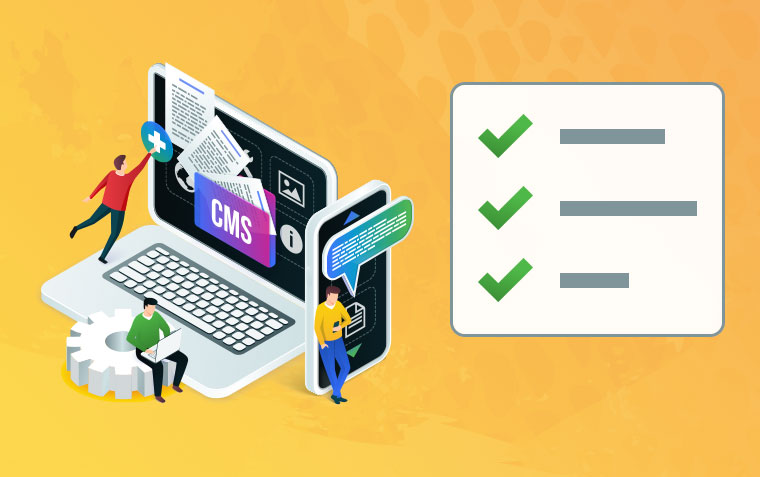
The internet, as we know it today, is made up of websites built using Content Management Systems (CMSs). These platforms provide the framework needed for website owners to update and manage their websites without requiring any coding knowledge.
The most well-known Content Management Systems are:
- WordPress
- Wix
- Squarespace
While these out-of-the-box solutions work well for many businesses, they aren't the right fit for every organisation.
That's where a custom CMS comes in. Designed specifically for your business, it can support your unique requirements, workflows, and future growth.
Designed Around Your Business
A custom CMS is built specifically for your business. Your web developer works with you to understand your requirements, identify the features that are important to your operations, and ensure the CMS complements your existing workflows.
Dashboards can be personalised to display the information each user needs, while processes can be tailored to suit the way your business operates.
Rather than changing your business to suit the CMS, a custom CMS is designed to suit your business.
Improved Security
Cybercriminals often target the systems that provide the greatest potential impact with the least amount of effort. Because popular CMS platforms are used by millions of websites, they are frequent targets for attackers. Many also rely heavily on third-party plugins to add functionality, increasing the number of potential security vulnerabilities that need to be managed.
By comparison, a custom CMS typically has a much smaller attack surface because most functionality is built directly into the system rather than relying on numerous third-party plugins.
Additional security measures can also be implemented to suit your organisation's needs, including detailed user permissions, two-factor authentication, and other access controls. The result is a CMS designed with security in mind from the ground up.
Better Performance
One of the reasons out-of-the-box CMS platforms are so popular is because they support a wide range of features for many different types of websites. However, this also means they include a large amount of code that your website may never use.
All of this code still needs to be loaded and processed by visitors' browsers, which can increase loading times and reduce overall performance.
Because a custom CMS is built specifically for your website, it only includes the functionality you actually need. This keeps the system lightweight, reduces unnecessary code, improves page speeds, and leaves more storage available for your website content.
Scalability for Future Growth
When investing in a custom website, it's a good idea to discuss your long-term business goals with your web development team. This allows them to design your CMS with future expansion in mind, making it easier to add new functionality as your business grows.
You may begin with a simple informational website and gradually introduce more advanced features over time.
Examples include:
- Membership management systems
- Event calendars
- Online booking systems
- eCommerce functionality
- API integrations
- And much more
Reduced Plugin Dependence
In addition to introducing potential security risks, third-party plugins also require ongoing maintenance. Plugins need regular updates, may become incompatible with one another, and can eventually be abandoned by their developers. This can lead to functionality breaking when browsers, servers, or CMS platforms receive updates.
By building the features you need directly into your custom CMS, you significantly reduce your reliance on third-party plugins and the risks that come with them.
Your web development team can maintain the CMS as a complete system and provide a single point of contact should any issues arise.
Greater Flexibility and Integration
Because you aren't restricted by the limitations of an existing CMS platform, you have much greater flexibility in how your website operates and how it integrates with your existing business systems.
User interfaces can be designed around your team's needs, permissions can be configured for different user roles, and workflows can be customised to match your business processes.
You can also prioritise integrations that provide the greatest return on investment by reducing manual data entry and improving data accuracy. For example, a service-based business may prioritise integrating its CRM, while an eCommerce business may focus on inventory management and point-of-sale (POS) systems.
A custom CMS allows your website to adapt to the systems and processes that already work for your business, rather than forcing you to change the way you operate.
*****
A custom CMS is an excellent choice for businesses with unique workflows, specialised functionality requirements, or plans for significant future growth. By tailoring the platform to your specific needs, you can improve usability, enhance performance, strengthen security, and create a website that supports your business instead of limiting it.
It provides a solid foundation that improves efficiency today while giving you the flexibility to expand as your business evolves.
If you're tired of using workarounds to make an off-the-shelf CMS fit your business, contact us today about a custom CMS and discover how a purpose-built solution can better support your long-term goals.
Related News & Information

A Guide to Catalogue Websites Without Selling Online
A catalogue website showcases your products without online sales. Discover how it lowers costs, improves UX, boosts SEO, and supports flexible business growth.

A Guide to Website Expenses Part 1: Upfront Costs
Understand the upfront investment required to build a business website – including design, development, SEO setup, and content.

6 Ways to Generate Blog Post Ideas for Your Website
Discover 6 practical ways to generate blog post ideas for your website, from customer questions to industry news and keyword research.
How Unused Website Template Pages Can Negatively Impact Your SEO
Unused website template pages can negatively impact SEO, sitemaps and search engine crawling. Discover how a custom CMS provides a cleaner website structure, better SEO control and improved performance.